Program G: Introduction to Museum Studies

San Gemini Preservation Studies 2027
Session 2: July 11– August 6 (4 weeks)
Location: San Gemini, Italy

Program Information

Under construction
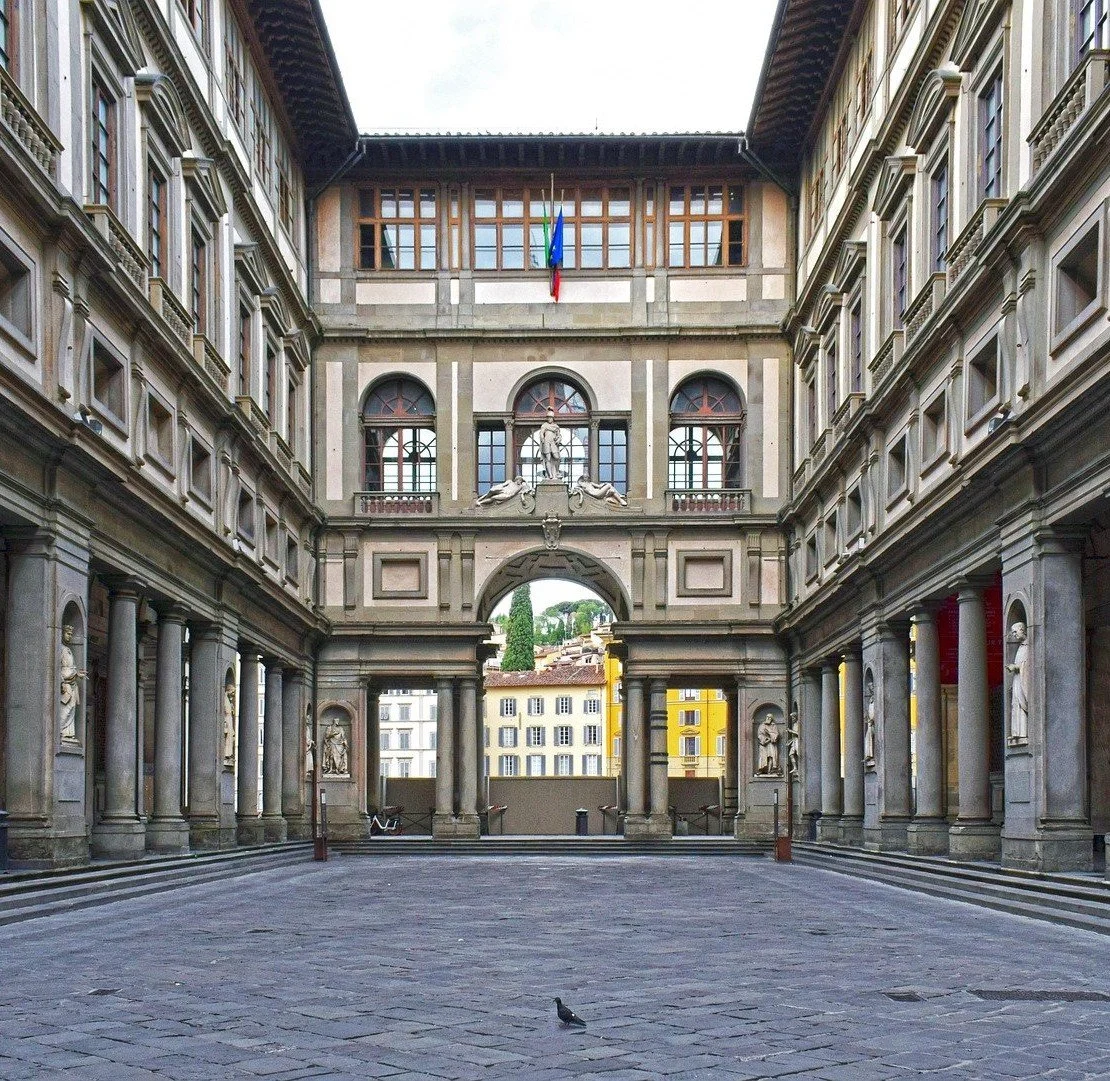
Introduction to Museum Studies

Introduction to Museum Studies

Course 1 Instructors: Prof. Max cardillo, Michele Benucci

This museum studies course in Italy explores the role of museums in preserving, interpreting, and sharing cultural heritage. It examines museums as safekeepers of cultural heritage and considers the nature of their collections, including how objects are documented, classified, preserved, and acquired, with particular attention to the ethics of acquisition and conservation. The course also addresses the educational function of museums and the proper display and contextualization of objects in a museum environment.

Finally, the course explores the administrative and funding structures of museums, which vary according to the institution's objectives, size, target audience, and nature.

The course is structured over four weeks. Each week, students spend three days in San Gemini attending theory classes and working on projects, and two days traveling to visit museums in Umbria, Rome, and Florence. Students will visit major and local museums, archaeological parks, churches, and palaces that serve as museums. Each week, the theory classes and visits are led by a different instructor, drawn from the administrators and curators of various museum institutions.
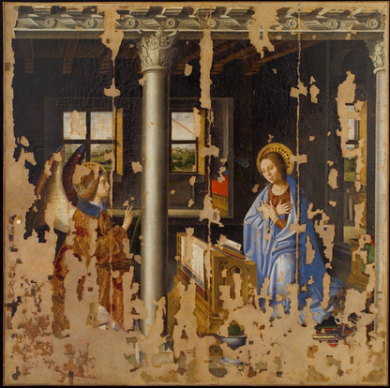

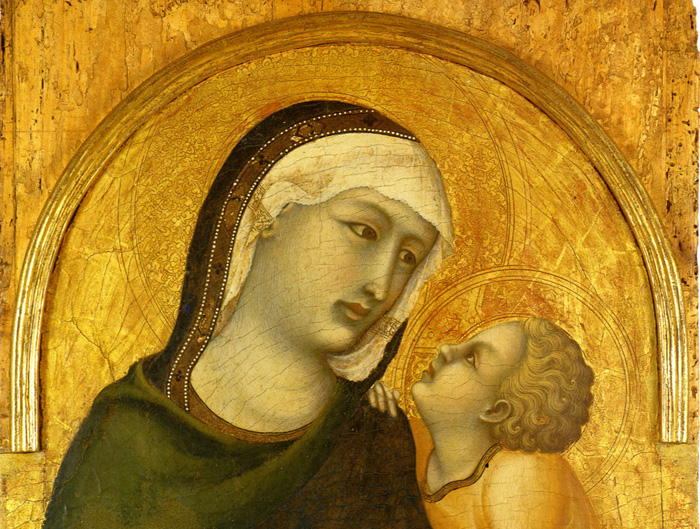
antonello_prima-restauro-corrected.jpg

Restoration: Theory, Ethics and Issues

Course 2
Instructor Prof. Max Cardillo
SG207,

Going beyond the material aspects of restoration, these lecture/discussion classes examine the various social goals, motivations, approaches, and ethical and philosophical issues that guide the complex process of preserving our cultural heritage. The philosophical differences between the Italian restoration approach and the techniques used in the Anglo-Saxon world are part of this course.

Website under construction



Program E : Traditional Painting Materials, Methods and Restoration Issues

San Gemini Preservation Studies 2026
Session 2: July 13 – August 7 (4 weeks)
Location: San Gemini, Italy

Program Information

This program aims to provide important background knowledge and skills in the field of traditional painting techniques and materials both in a theoretical and practical manner. It is aimed at people studying art restoration and conservation, art history, painting, anthropology and museum studies. The program includes three courses.

Students participating in this program are required to take part in all three courses in the program.

Note: The traditional painting workshop, unlike other workshops in our program, does not involve any formal material restoration work, nevertheless all the knowledge and experience learned in this workshop is fundamental for anyone planning to become a paintings restorer. The other two courses in this program deal extensively with various aspects of restoration.


Traditional Materials, Methods of Painting and Art Restoration Issues

Course 1
Instructor Prof. Fabiola Vitali
SG 208A, ARHS 457

This lecture course examines the materials and techniques used in Italian painting during the Middle Ages and the Renaissance, including how and why materials weather and age over time and what different approaches there are to their conservation and restoration.

 
antonello_prima-restauro-corrected.jpg

Restoration: Theory, Ethics and Issues

Course 3
Instructor Prof. Max Cardillo
SG207, ARHS 459

Going beyond the material aspects of restoration, these lecture/discussion classes examine the various social goals, motivations, approaches, and ethical and philosophical issues that guide the complex process of preserving our cultural heritage. The philosophical differences between the Italian restoration approach and the techniques used in the Anglo-Saxon world are part of this course.

Traditional Painting Workshop

Course 2
Instructor Prof. Sofia Oliveti
SG 208B, ARHS 458

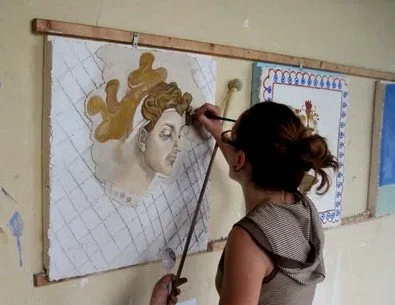
Students create a series of paintings using traditional materials and methods as prescribed by Cennino Cennini in The Craftsman’s Handbook, written in 1398. The focus of this course is on materials and techniques, it is not an “art” class. Students work with the following techniques: renaissance fresco, sgraffito, tempera painting on wood boards, gilding, and oil painting on canvas.


Past Traditional Painting Methods Workshops: